
What Is a Microplane Grater? The Full Kitchen Guide
You want fresh lemon zest on your pasta.
You grab a knife. You scrape. You get chunks. You get frustrated.
There is a better way. It fits in one hand. It works in seconds.
It is called a microplane grater. And it is one of the best kitchen gadgets you will ever own.
What Is a Microplane Grater?
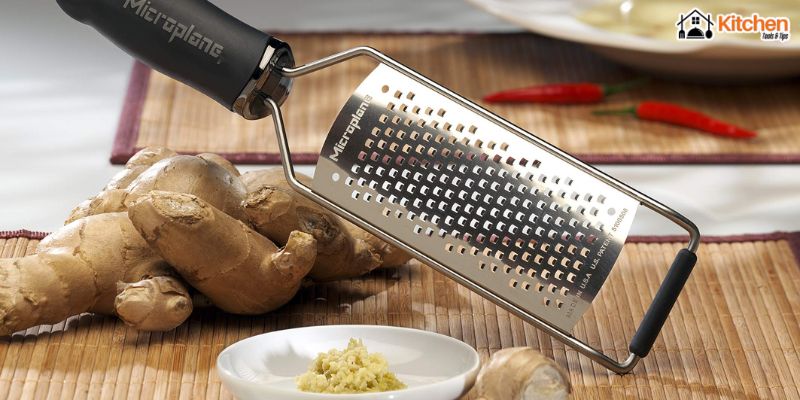
A microplane grater is a small, handheld tool. It has very sharp blades. You rub food across it and get fine, thin shreds fast.
It is long and narrow. The blades are tiny and razor sharp. They cut food cleanly. They do not tear it.
You may also hear it called a:
- Hand grater
- Handheld grater
- Fine grater
- Rasp grater
- Citrus zester
- Kitchen grater
Chefs use it daily. Home cooks love it. Once you try it, you will reach for it every time you cook.
Where Did It Come From?
Here is something most people do not know.
The microplane was not made for cooking. It was a woodworking tool. Workers used it to smooth and shape wood.
In 1994, a woman named Lorraine Lee picked one up from her husband’s workshop. She used it to zest an orange. The result was incredible.
She told the company. They listened. The kitchen microplane grater was born.
Today, Microplane is a well-known brand. But the word “microplane” now describes any rasp-style kitchen grater.
How Does It Work?
The blades make all the difference.
Old graters punch holes in metal. The edges are rough. They tear food apart.
A microplane uses photo-etching. Acid carves tiny, sharp teeth into stainless steel. Each tooth faces forward. It slices through food instead of tearing it.
Here is what you get:
- Finer, fluffier results
- Less food waste
- More flavor from each ingredient
- A smooth, easy motion
Run a lemon over a microplane. You get pure zest. No bitter white pith. Grate Parmesan. You get light, airy ribbons that melt in seconds.
The teeth do all the work. You just guide the food.
Microplane vs. Other Graters
vs. Box Grater
A box grater is big and bulky. It works well for large shredding jobs. But it is hard to clean. And the blades are not very sharp.
A microplane is far better for fine work. It gives precise, thin results. A box grater cannot match that.
Use a box grater for big jobs. Use a microplane for fine, careful work.
vs. Cheese Grater
A regular cheese grater works fine for soft cheese. But try it on hard cheese like Parmesan. It struggles.
A microplane cheese grater handles hard cheese with ease. It makes light, fluffy shreds that melt fast. They blend into sauces smoothly.
The microplane wins here every time.
vs. Citrus Zester
An old citrus zester makes long, curly strips. They look great as a garnish.
A microplane makes fine, powdery zest. It mixes better into food. It spreads evenly in batters and sauces.
For cooking, the microplane is the better choice.
vs. Ribbon Grater
A ribbon grater makes long, thin strips. It is great for vegetables. A microplane fine grater makes much smaller results. They serve very different jobs. You may want both.
Quick Comparison:
| Tool | Best For | Output Size | Easy to Clean |
|---|---|---|---|
| Microplane grater | Zest, hard cheese, ginger | Very fine | Yes |
| Box grater | Large shredding | Medium to coarse | No |
| Cheese grater | Soft and medium cheese | Medium | Medium |
| Ribbon grater | Vegetable strips | Coarse | Yes |
| Citrus zester | Decorative strips | Coarse | Yes |
Types of Microplane Graters
Microplane Classic Zester
The Microplane classic zester is the original. It is long, thin, and light. It has fine teeth and a simple handle.
It is perfect for zesting citrus and grating hard cheese. If you only buy one microplane, buy this one.
Microplane Gourmet Series
The Microplane gourmet series has several blade options. You can choose extra fine, fine, medium, or coarse.
The gourmet grater has a soft grip handle. It feels great in your hand. It is ideal for cooks who grate food often.
Microplane Professional Series
The Microplane professional series is built for heavy use. It has a longer blade and a stronger body.
Chefs use this in restaurant kitchens. It handles more volume. The blades stay sharp longer. Worth every penny if you cook daily.
Coarse Grater
A coarse grater makes bigger shreds. It works well on semi-hard cheese, vegetables, and chocolate.
Fine Grater
A fine grater makes the smallest results. Use it for garlic, nutmeg, cinnamon, and hard spices. It turns them into a smooth powder or paste. You get the most intense flavor this way.
What Can You Grate With It?
The list is longer than most people think.
Citrus zest — Lemon, lime, orange, and grapefruit. Pure, fragrant zest. No bitter white pith.
Hard cheese — Parmesan, Pecorino, aged Manchego. Light and fluffy. Melts fast on hot pasta or soup.
Ginger — Fresh ginger turns into a smooth paste. No stringy bits. Great for stir-fries and teas.
Garlic — Grated garlic blends into sauces far better than chopped garlic. Strong flavor, no visible chunks.
Nutmeg — Whole nutmeg grates into fresh powder. Tastes far better than pre-ground. Try it in bechamel or hot drinks.
Chocolate — Hard chocolate turns into fine shavings. They melt fast or make a beautiful dessert topping.
Horseradish — Fresh root grates into a punchy condiment. Much better than the jarred version.
Frozen butter — Grate it straight into flour. Creates tiny, even pieces. Perfect for pastry dough.
How to Use a Microplane Grater
It is simple. Just follow these steps.
What you need:
- A microplane grater
- The food you want to grate
- A bowl or plate underneath
Step 1: Pick the right blade Use a fine grater for zest or hard cheese. Use a coarse grater for chocolate or vegetables.
Step 2: Position the grater Hold it upright over a bowl. Or lay it flat on a cutting board. Rest the tip on the bowl edge for extra stability.
Step 3: Press lightly Touch the food to the blade with gentle pressure. You do not need to press hard. The sharp teeth do all the cutting.
Step 4: Move in one direction Push the food across the blade in one smooth stroke. Go downward. Let the teeth work. Do not force it.
Step 5: Lift and repeat Lift the food after each stroke. Reposition. Repeat. Moving in one direction keeps the cut clean.
Step 6: Check the back Look at the underside of the blade often. Zest and cheese build up there. Tap it over your bowl to release.
Pro tip: For citrus, rotate the fruit after a few strokes. Stop when you see white pith. Move to a fresh spot. You will get more zest and zero bitterness.
Best Microplane Graters to Buy
Microplane Classic Zester — The best starting point for most cooks. The Microplane classic zester is sharp, light, and easy to use. It handles zesting and hard cheese perfectly.
Microplane Gourmet Fine Grater — A step up from the classic. The Microplane gourmet has a longer blade and a better grip. Great for cooks who grate often. The gourmet grater range includes coarse and medium options too.
Microplane Professional Grater — Built for daily heavy use. The Microplane professional is longer, stronger, and made to last. A smart investment if you cook large meals regularly.
Coarse Grater — Perfect for softer tasks. A coarse grater works well for semi-hard cheese, dark chocolate, and firm vegetables.
All Microplane graters use stainless steel blades. Stainless steel stays sharp for years. It does not rust. It does not absorb food smells. It is the best material for any kitchen grater.
How to Clean and Care for It
Rinse it right away. Do not let food dry on the teeth. Citrus oils and cheese fat stick fast. Warm water right after use does the job.
Use a brush. A stiff brush cleans between the teeth far better than a sponge. A sponge can snag on the sharp blades.
Most are dishwasher safe. The stainless steel handles heat well. But hand washing keeps blades sharper for longer.
Store it safely. The teeth are sharp. Use a sleeve, a drawer organizer, or a magnetic strip. Protect both the grater and your hands.
Skip metal scrubbers. Steel wool damages the photo-etched teeth. Use a soft brush or nylon pad only.
Check the teeth. They can bend if dropped. Bent teeth do not cut well. Replace the grater when this happens.
FAQ
What is a microplane grater used for? It grates citrus zest, hard cheese, ginger, garlic, nutmeg, chocolate, and spices. It is one of the most useful kitchen gadgets a home cook can own.
Is a microplane the same as a rasp? Yes, in design. It is based on a woodworking rasp. But kitchen microplanes use food-safe stainless steel and are made just for cooking.
What is the difference between a fine grater and a coarse grater? A fine grater makes tiny, powdery output. Use it for zest and spices. A coarse grater makes bigger shreds. Use it for softer cheese and vegetables.
Can I use it as a cheese grater? Yes. It is one of the best tools for hard cheese. It makes light, fluffy shreds that melt fast. It beats most standard cheese graters for Parmesan.
What makes the Microplane classic zester special? It is the original kitchen microplane. The teeth are fine and razor sharp. It is light, precise, and easy to clean. Still the most popular model in the range.
Is the Microplane gourmet series worth it? Yes. More blade choices. Better handle. More comfort during regular use. A great upgrade from the classic.
How long does it last? With good care, a stainless steel microplane lasts for years. Rinse it after use. Dry it well. Store it safely.
Final Thoughts
A microplane grater is small. It is simple. But it changes the way you cook.
Fresh lemon zest. Fluffy Parmesan. Smooth ginger paste. All in seconds. All with one tool.
Quick recap:
- A microplane grater has sharp, photo-etched stainless steel teeth
- It slices food cleanly instead of tearing it
- It beats a box grater and old citrus zester for fine work
- The Microplane classic zester is the best first buy
- The Microplane gourmet and Microplane professional lines suit serious cooks
- Use a fine grater for zest and spices. Use a coarse grater for cheese and vegetables
- Clean it with a brush right away. Store it safely
Buy one. Use it once. You will know exactly why every serious cook keeps one close.