
What Is a Silicone Dough Mat? Your Complete Guide
Introduction
Have you ever rolled dough on your counter and spent hours scrubbing flour off? Or watched your dough stick to everything it touches? A silicone dough mat solves these problems.
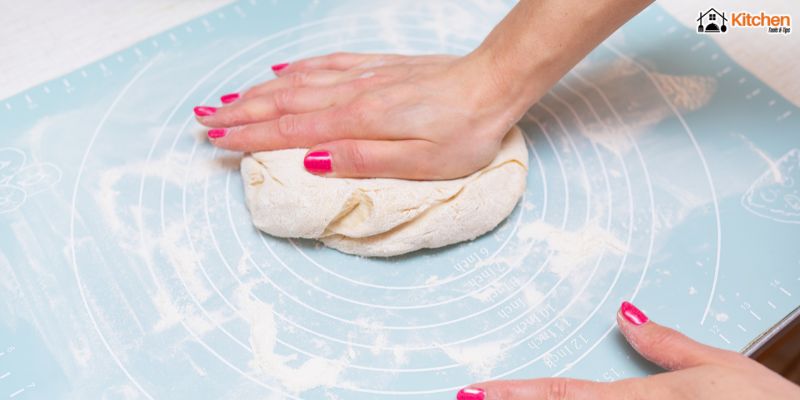
A silicone dough mat is a flat, flexible sheet made of food-grade silicone. Bakers use it as a work surface for rolling and kneading dough. It creates a non-stick surface that makes baking easier and cleanup faster.
This guide will show you everything about silicone dough mats. You’ll learn how they work, why bakers love them, and how to pick the best one.
What Makes a Silicone Dough Mat Special?
A silicone dough mat is different from your regular baking sheet or counter. It’s made from pure food-grade silicone. This material is safe, durable, and naturally non-stick.
Most mats are thin and flexible. You can roll them up for storage. They lie flat when you need them. The surface feels smooth and slightly tacky.
Many mats have helpful markings. You’ll find circles for pie crusts. Some show measurement guides. Others include conversion charts for recipes.
The mat creates a barrier between your dough and counter. Your dough won’t stick. Your counter stays clean. It’s that simple.
How Does a Silicone Dough Mat Work?
The secret is in the silicone material. Silicone has natural non-stick properties. Dough slides right off without flour or oil.
These mats handle heat well. Most work from -40°F to 450°F. You can freeze dough on them. Some people use them as silicone baking mats in the oven too.
The surface is perfect for a rolling pin. Your pin glides smoothly. The dough spreads evenly. You get consistent thickness every time.
The mat grips your counter slightly. This keeps it from sliding around. You can knead dough without the mat moving. It stays put while you work.
Why Bakers Love Silicone Dough Mats
Easy Cleanup
This is the biggest win. After baking, you simply rinse the mat. Dough doesn’t stick. Flour wipes off easily. Most mats are dishwasher safe too.
No more scrubbing your counters. No more flour in every corner. Just wash and dry your mat.
Protects Your Counters
Kneading dough can scratch counters. Sticky dough can stain them. A rolling mat for baking protects your surface.
The mat takes all the wear. Your beautiful counters stay perfect. This matters if you have marble or wood countertops.
Perfect for Kneading and Rolling
The mat provides the ideal surface for working dough. It’s firm enough to knead on. It’s smooth enough to roll on.
When kneading dough, you need a stable surface. The mat gives you that. Your dough develops gluten properly. You get better bread and pastries.
Rolling dough becomes effortless. The non-stick surface means you use less flour. Too much flour makes dough tough. With a mat, you avoid this problem.
Works Great with Rolling Pins
Any rolling pin works on these mats. Wood, marble, or silicone pins all glide smoothly. The mat won’t damage your pin.
The measurement circles help you roll perfect shapes. No more guessing if your pie crust fits the pan. Just roll to the right circle.
Replaces Wasteful Products
Say goodbye to parchment paper for rolling. A silicone mat lasts for years. You save money and reduce waste.
Some bakers use their mats instead of a baking sheet liner. This works for cookies and pastries. Just check your mat’s temperature rating first.
Common Ways to Use Your Silicone Dough Mat
Rolling Dough for Baked Goods
This is what most people buy them for. Roll out:
- Cookie dough for cut-out cookies
- Pie crusts for sweet and savory pies
- Pastry dough for croissants and danishes
- Pizza dough for homemade pizza
- Pasta dough for fresh noodles
The mat’s measurements help you get the right thickness. You’ll make consistent batches every time.
Kneading Bread Dough
Bread bakers love these mats. When you knead dough, it needs a clean, stable surface. The kneading mat provides both.
The slight tackiness helps. Your dough doesn’t slide around. You can push and fold effectively. Your arms don’t tire as quickly.
Working with Fondant and Candy
Cake decorators use these mats constantly. Fondant rolls out beautifully on silicone. It doesn’t stick. It doesn’t tear.
The mat also works for:
- Rolling out gum paste
- Making candy decorations
- Working with marzipan
- Shaping modeling chocolate
Everyday Kitchen Tasks
Get creative with your mat:
- Use it as a trivet for hot pots
- Protect counters when chopping (place under cutting board)
- Create a clean space for messy food prep
- Line your fridge shelf for easy cleanup
How to Choose the Right Silicone Dough Mat
Size Matters
Mats come in different sizes. Common options include:
- Small (16 x 12 inches) – good for cookies
- Medium (20 x 16 inches) – most popular size
- Large (24 x 16 inches or bigger) – for bread and large pie crusts
Measure your counter space first. Get the biggest mat that fits comfortably. Bigger gives you more room to work.
Check the Thickness
Thin mats (1-2mm) roll up easily. They store in drawers. But they might slip more.
Thick mats (3-4mm) feel sturdier. They grip counters better. They last longer too.
For most bakers, medium thickness works best. It balances storage and stability.
Quality Indicators
Look for 100% food-grade silicone. Cheap mats might contain fillers. These can smell bad or degrade quickly.
Good mats feel smooth and even. They shouldn’t have a strong chemical smell. The color should be consistent.
Check reviews before buying. Real bakers share honest experiences. Look for mats that last years, not months.
Helpful Features
Some mats include:
- Measurement circles (8, 9, 10-inch sizes)
- Ruler markings along edges
- Conversion charts (cups to grams)
- Temperature guides
- Recipe ideas printed on the mat
These extras help beginners. Experienced bakers might not need them. Decide what would help you most.
Caring for Your Silicone Dough Mat
Cleaning Is Simple
After each use:
- Shake off loose flour
- Rinse with warm water
- Wash with dish soap and a soft sponge
- Rinse thoroughly
- Air dry or towel dry
For stuck-on dough, soak the mat first. The dough will loosen. Don’t scrub hard. Silicone is durable but can tear.
Most mats are dishwasher safe. Place on the top rack. Use a normal cycle. Skip the heated dry setting.
Remove Stubborn Stains
Sometimes mats get discolored. This doesn’t affect performance. But if it bothers you:
- Make a paste of baking soda and water
- Spread it on stains
- Let sit for 30 minutes
- Rinse clean
Avoid bleach. It can damage silicone over time.
Proper Storage
Roll or lay your mat flat. Don’t fold it. Creases can become permanent.
Some mats come with storage tubes. These keep mats perfectly flat. If yours didn’t, store it in a drawer or hang it.
Keep mats away from sharp objects. Knives and forks can puncture silicone. Store separately from utensils.
How Long Will It Last?
A quality mat lasts 3-5 years with regular use. Some last even longer.
Signs it’s time to replace:
- Tears or holes appear
- Surface becomes very sticky
- Mat develops a bad smell
- Non-stick coating wears off
With proper care, your mat will serve you well for years.
Frequently Asked Questions
Can I put a silicone dough mat in the oven?
Most mats are oven-safe up to 450°F. Check your specific mat’s temperature rating. Some silicone baking mats are designed specifically for oven use. If you want to bake on it, verify it can handle your recipe’s temperature.
Do I still need to flour the mat?
Usually no. The non-stick surface works without flour. Very sticky doughs might need a light dusting. But you’ll use far less flour than on a counter.
Is silicone safe for food?
Yes. Food-grade silicone is FDA approved. It doesn’t leach chemicals. It’s safer than many plastics. Make sure your mat says “food-grade silicone” on the package.
Can I cut dough on the mat?
Light cutting is fine. Use a pizza cutter or dough scraper gently. Don’t use sharp knives with force. This can damage the mat over time.
Will the mat stain my counter?
No. Quality silicone won’t stain surfaces. It protects counters instead. Some very cheap mats might have dyes that transfer. Stick with reputable brands.
How do I keep the mat from sliding?
Most mats grip counters naturally. If yours slides, wipe your counter first. A slightly damp counter helps. Some bakers put a damp towel underneath.
Can I use it for meat or other foods?
Yes, but keep one mat for baking only. Buy a separate mat for meat. This prevents cross-contamination. Color-code them so you don’t mix them up.
Do these mats replace a baking sheet?
Not exactly. Some people bake cookies on them. But most recipes work better with a proper baking sheet underneath. Use your mat as a liner on the sheet for best results.
Final Thoughts
A silicone dough mat changes how you bake. It makes rolling dough easier. It speeds up cleanup. It protects your kitchen.
Every baker can benefit from one. Beginners love the measurement guides. Experts appreciate the consistent results. The mat helps everyone bake better.
Choose a quality mat in the right size. Take care of it properly. It will serve you for years.
Your baking will improve. Your kitchen will stay cleaner. You’ll wonder how you ever baked without it.
Start with one mat. Try it for a month. You’ll probably want a second one soon. Most bakers do.
Happy baking!