
Are you tired of high energy bills? Do you want to cook healthy meals without watching the stove? A thermal cooker might be exactly what your kitchen needs.
This guide explains everything about thermal cookers. You’ll learn how they work, what makes them special, and why thousands of home cooks love them.
What Is a Thermal Cooker?
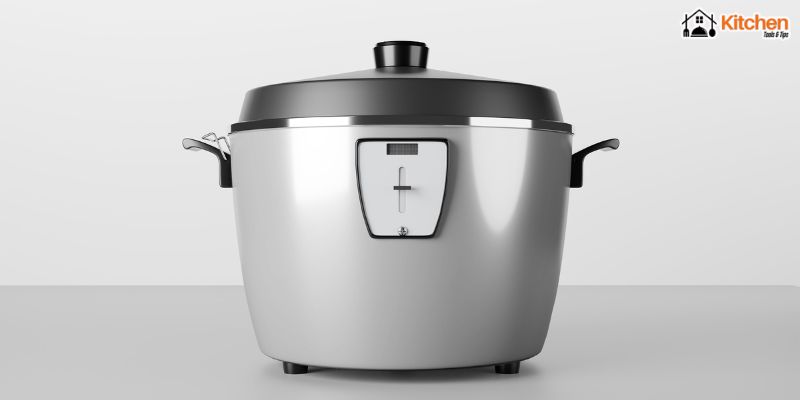
A thermal cooker is a cooking device that uses heat retention to cook food without electricity or gas. It has two main parts: an inner cooking pot and an outer insulated container.
You start cooking on your stove for a short time. Then you place the hot pot inside the insulated container. The container traps the heat and continues cooking your food for hours.
Think of it as a high-tech thermos for cooking. The vacuum insulation keeps food hot enough to cook slowly and safely.
Popular brands include Thermos, Tiger, and Shuttle Chef. These devices have been used in Asia and Europe for decades.
How Does a Thermal Cooker Work?
The science behind thermal cookers is simple but effective.
Step 1: Initial Heating
You heat your ingredients in the inner pot on a stovetop. This takes about 10-20 minutes. You bring the food to a boil, just like regular cooking.
Step 2: Heat Retention
You transfer the hot inner pot into the outer vacuum-insulated container. The lid seals tightly to trap all the heat inside.
Step 3: Slow Cooking
The insulation keeps the temperature between 160°F and 180°F for several hours. This gentle heat continues cooking your food without any energy input.
The vacuum seal prevents heat from escaping. Your food stays hot for 4-8 hours, depending on the model and recipe.
Key Benefits of Using a Thermal Cooker
Thermal cookers offer many advantages for busy families and eco-conscious cooks.
Saves Energy
You only use your stove for 10-20 minutes instead of hours. This cuts your energy consumption by up to 80%. Your electricity or gas bills will drop significantly.
Saves Time
Once you transfer the pot to the container, you’re done. No stirring required. No watching the pot. You can leave home, run errands, or go to work.
Retains Nutrients
The gentle cooking temperature preserves vitamins and minerals better than high-heat methods. Your vegetables stay colorful and nutritious.
Enhances Flavor
Slow cooking allows flavors to develop deeply. Meat becomes tender. Beans cook evenly. Soups taste richer.
Safe and Convenient
There’s no open flame or hot surface after the initial heating. This makes thermal cookers safer than leaving a stove on. They’re perfect for camping trips too.
Portable
Most thermal cookers are lightweight and easy to carry. You can bring hot meals to potlucks, picnics, or outdoor events.
What Can You Cook in a Thermal Cooker?
Thermal cookers handle a wide variety of dishes.
Soups and Stews
These are perfect for thermal cooking. Chicken soup, beef stew, and vegetable broths turn out delicious. The long cooking time blends flavors beautifully.
Rice and Grains
White rice, brown rice, quinoa, and oatmeal cook perfectly. You get fluffy, evenly cooked grains every time.
Beans and Legumes
Dried beans, lentils, and chickpeas become tender without constant monitoring. No more mushy or undercooked beans.
Meat Dishes
Pot roast, pulled pork, and chicken curry work wonderfully. The meat becomes fork-tender and juicy.
Porridge and Oatmeal
Make overnight oats the easy way. Start them before bed and wake up to hot breakfast.
Hard-Boiled Eggs
You can even make perfect hard-boiled eggs with minimal effort.
How to Use a Thermal Cooker
Using a thermal cooker is straightforward.
1. Prepare Your Ingredients
Cut vegetables and meat into even pieces. This ensures uniform cooking.
2. Heat on the Stove
Place ingredients in the inner pot with liquid. Bring to a full boil on your stovetop. Let it boil for 5-15 minutes depending on the recipe.
3. Transfer Quickly
Move the hot inner pot into the outer container immediately. Don’t let it cool down first.
4. Seal and Wait
Close both lids tightly. Let the thermal cooker do its work. Don’t open the lid during cooking, as this releases heat.
5. Check and Serve
After the recommended time, check if your food is done. Most recipes take 2-6 hours.
Pro tip: Preheat the outer container with hot water for better heat retention.
Thermal Cooker vs Slow Cooker
Many people compare these two cooking methods.
Energy Use
Thermal cookers use almost no energy after initial heating. Slow cookers need electricity for 4-8 hours.
Convenience
Both are hands-off cooking methods. Slow cookers plug in and regulate temperature automatically. Thermal cookers are portable and don’t need outlets.
Cooking Time
Slow cookers maintain a consistent low temperature. Thermal cookers gradually cool down while cooking. Both take several hours.
Cost
Thermal cookers have no operating cost after purchase. Slow cookers add to your electric bill monthly.
Best Use
Choose thermal cookers for camping, travel, or energy savings. Choose slow cookers if you want precise temperature control and very long cooking times.
Choosing the Right Thermal Cooker
Consider these factors when shopping.
Size
Thermal cookers range from 1.5 liters to 6 liters. A 3-4 liter model works well for families of four.
Insulation Quality
Look for vacuum insulation or thick foam. Better insulation means longer heat retention.
Inner Pot Material
Stainless steel inner pots are durable and easy to clean. Some models offer non-stick coating.
Portability
Check the weight and handle design if you plan to travel with it.
Price Range
Basic models start around $40. Premium brands cost $100-150 but offer superior heat retention.
Conclusion
A thermal cooker is a smart investment for any kitchen. It saves energy, preserves nutrients, and makes cooking easier.
You simply heat your food for a few minutes, then let the insulated container finish the job. No electricity needed. No supervision required.
Whether you want to reduce your carbon footprint, lower utility bills, or enjoy tender home-cooked meals, a thermal cooker delivers.
Try one for yourself. Start with simple recipes like rice or soup. You’ll quickly discover why this traditional cooking method is making a comeback in modern homes.