
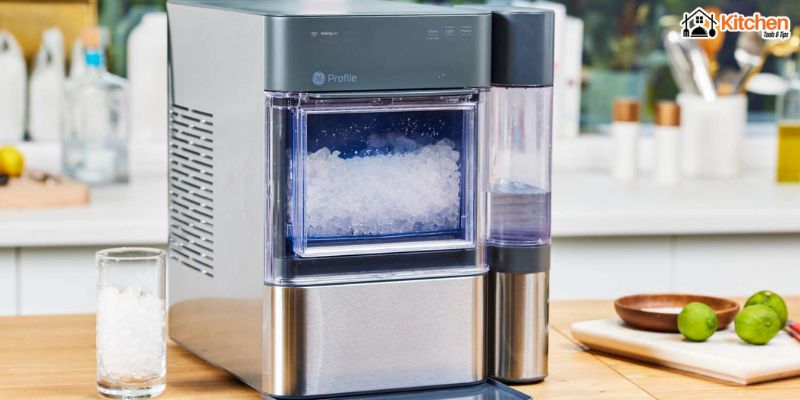
Running out of ice during a party is frustrating. You need cold drinks, but your ice cube trays are empty again.
A kitchen ice maker solves this problem. It makes ice automatically so you always have plenty on hand.
This guide explains what an ice maker is, how it works, and why many homeowners love having one.
What Is a Kitchen Ice Maker?
A kitchen ice maker is an appliance that produces ice cubes automatically. It connects to your water supply and freezes water into ice without any manual work from you.
Most modern refrigerators come with built-in ice makers. You can also buy standalone units that sit on your counter or install under your cabinet.
The main job of an ice maker is simple: turn water into ice and store it until you need it.
Unlike ice cube trays, you don’t have to fill them, wait hours, and crack out frozen cubes. The machine does everything for you.
How Does an Ice Maker Work?
Ice makers follow a straightforward process:
Step 1: Water Fills the Mold
Water flows from your home’s water line into the ice maker. It fills small molds or trays inside the unit.
Step 2: Freezing Happens
The freezer compartment cools the water below 32°F (0°C). The water turns into solid ice cubes.
Step 3: Ice Releases
Once frozen, a heating element warms the mold slightly. This loosens the ice cubes so they can drop out.
Step 4: Storage
The ice cubes fall into a storage bin. A sensor detects when the bin is full and stops making more ice.
Step 5: Repeat
When you use ice, the sensor signals the machine to make more. The cycle continues automatically.
This entire process takes about 90 minutes to 2 hours per batch, depending on your model.
Types of Kitchen Ice Makers
You can choose from several types based on your needs and kitchen setup.
Built-In Refrigerator Ice Makers
These come installed inside your fridge’s freezer section. They’re the most common type in American homes.
Pros:
- No extra counter space needed
- Convenient access from the freezer door
- Works with your existing appliance
Cons:
- Takes up freezer storage space
- Limited ice production capacity
- Requires a water line connection
Portable Countertop Ice Makers
These small units sit on your kitchen counter. You add water manually, and they produce ice in minutes.
Pros:
- No installation required
- Makes ice fast (as quick as 6-15 minutes)
- Easy to move or take camping
Cons:
- Ice melts quickly if not used
- Must refill water frequently
- Takes up counter space
Undercounter Ice Makers
These install beneath your kitchen cabinets like a dishwasher. They connect to your water line and drain.
Pros:
- Large ice production capacity
- Saves counter space
- Professional look
Cons:
- Expensive to buy and install
- Requires professional installation
- Needs dedicated space
Freestanding Ice Makers
These standalone units look like small refrigerators. They work great in basements, home bars, or outdoor kitchens.
Pros:
- Very high ice output
- Can place anywhere with power and water
- Commercial-quality ice
Cons:
- Most expensive option
- Requires floor space
- Higher energy costs
Benefits of Having an Ice Maker
Always Have Ice Ready
You’ll never run out of ice again. The machine makes new batches automatically throughout the day.
This is perfect for families, parties, or hot summer days when everyone wants cold drinks.
Save Time and Effort
Forget filling ice trays and waiting hours for them to freeze. An ice maker does all the work while you focus on other things.
Cleaner Ice
Ice makers use filtered water from your refrigerator or home system. This means cleaner, better-tasting ice than tap water in trays.
The ice also doesn’t absorb odors from other foods in your freezer.
Better for Entertaining
Hosting a barbecue or holiday party? You’ll have enough ice for all your guests without emergency store runs.
Many ice makers can produce 25 to 50 pounds of ice per day.
Increases Home Value
Homes with modern appliances sell better. A refrigerator with an ice maker is a standard feature buyers expect.
Installation and Maintenance
Installation Requirements
For Built-In Units:
- Connect to your home’s cold water line
- Professional installation recommended
- May need a water filter
For Portable Units:
- Just plug into an outlet
- Add water to the reservoir
- No plumbing needed
For Undercounter Units:
- Requires water line and drain connection
- Professional installation necessary
- May need electrical work
Basic Maintenance Tips
Keep your ice maker working well with these simple steps:
Clean Regularly
Wipe down the ice bin every month. Use warm water and mild soap to remove any buildup.
Change Water Filters
Replace your refrigerator water filter every 6 months. This keeps ice tasting fresh and the machine running smoothly.
Check for Clogs
If ice production slows, check the water line for blockages. Mineral deposits can build up over time.
Empty When Away
Going on vacation? Turn off the ice maker and empty the bin. Old ice can develop freezer burn.
Is an Ice Maker Right for You?
Consider getting an ice maker if you:
- Use a lot of ice daily
- Entertain guests frequently
- Want convenience in your kitchen
- Have the budget for installation
- Prefer not filling ice trays manually
You might skip an ice maker if you:
- Rarely use ice
- Have a very small kitchen
- Want to save on water and energy bills
- Live alone or with one other person
Conclusion
A kitchen ice maker is a convenient appliance that automatically produces ice cubes for your home. It saves time, ensures you always have ice available, and makes entertaining easier.
Whether you choose a built-in refrigerator model, portable countertop unit, or undercounter installation depends on your needs and budget.
Most homeowners find that having an ice maker improves their daily kitchen experience. No more filling trays or running to the store for bags of ice.
If you value convenience and use ice regularly, an ice maker is a smart addition to your kitchen.