
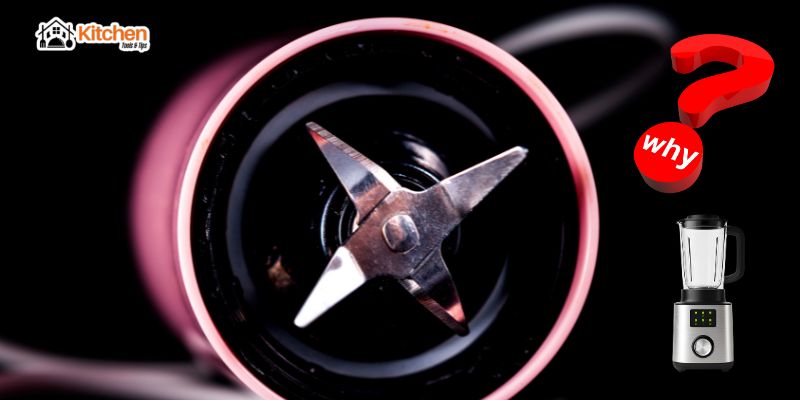
Your blender sits on the counter. You press the button. The motor hums. But the blades don’t move. This happens to millions of people every day. The good news? Most causes are easy to fix.
The Motor Is Overloaded
Your blender motor has limits. When you add too much food, the motor can’t turn the blades. Think of it like pushing a heavy car. One person can’t do it alone.
Hard or frozen foods make this worse. Ice cubes, frozen fruit, and thick mixtures put extra stress on the motor. The motor tries to spin but can’t overcome the resistance.
Most modern blenders have safety features. When the motor gets too hot, it shuts off. This protects the motor from burning out. You’ll hear the motor running, but the blades stay still.
What to do:
- Remove half the ingredients
- Add more liquid
- Cut food into smaller pieces
- Let frozen items thaw slightly
- Wait 15 minutes for the motor to cool
Food Is Jamming the Blades
Food gets stuck under the blades all the time. A piece of carrot wedges itself in the gap. A chunk of ice blocks the blade path. The motor runs, but the blades can’t move.
Sticky foods like nut butter or thick smoothie bases create this problem. They form a thick layer around the blade assembly. This layer acts like glue.
Seeds, stems, and fibrous vegetables cause jams too. Celery strings wrap around the blade shaft. Berry seeds collect in small spaces.
What to do:
- Unplug the blender first (safety first!)
- Remove the pitcher
- Check under the blades
- Use a spoon or spatula to clear debris
- Run water through the assembly
- Reassemble and try again
The Drive Coupling Is Worn Out
The drive coupling connects your motor to the blades. It’s a small plastic or rubber piece. Over time, it wears down from regular use.
When this part fails, the motor spins but doesn’t turn the blades. You’ll hear the motor sound different. It might sound faster or higher-pitched than normal.
This happens more in older blenders. Models used daily for years show this wear pattern. Heavy-duty blending speeds up the wear.
Signs of a worn coupling:
- Motor runs but blades don’t turn
- Grinding or clicking sounds
- Intermittent blade spinning
- Blender worked fine yesterday
What to do:
- Check your blender model number
- Order a replacement coupling online
- Watch a video tutorial for your model
- Replace the part yourself or hire help
- New couplings cost $10 to $30
Electrical Problems Stop the Blades
Power issues affect blade spinning. A tripped circuit breaker cuts power to the motor. A damaged power cord creates connection problems. Loose outlets don’t supply steady electricity.
Some blenders have safety interlocks. The pitcher must sit correctly on the base. If the pitcher shifts slightly, the safety feature stops the blades. This prevents accidents.
GFI outlets (those with reset buttons) trip easily in kitchens. Water near the outlet causes them to shut off. The motor won’t get power.
What to do:
- Check if other appliances work in that outlet
- Inspect the power cord for damage
- Press the reset button on GFI outlets
- Ensure the pitcher is seated properly
- Check your home’s circuit breaker box
- Try a different outlet
The Blade Assembly Came Loose
The blade assembly screws into the pitcher bottom. With repeated use, this connection loosens. When loose, the blades spin freely without blending. Or they don’t spin at all.
The rubber gasket between the blades and pitcher wears out. This gasket creates a seal. Old gaskets let the assembly slip. The blades lose their grip on the drive shaft.
You might have reassembled the blender incorrectly after cleaning. The threads need to align perfectly. Cross-threading prevents proper connection.
What to do:
- Remove the pitcher from the base
- Unscrew the blade assembly
- Check for cracks or damage
- Inspect the rubber gasket
- Clean the threads thoroughly
- Screw the assembly back tightly
- Replace worn gaskets
How to Prevent Blade Problems
Prevention saves time and money. Good habits extend your blender’s life. Simple maintenance keeps blades spinning smoothly.
Daily habits:
- Add liquid before solid foods
- Start on low speed, then increase
- Don’t fill past the max line
- Run the blender in short bursts
- Clean immediately after use
Weekly maintenance:
- Deep clean the blade assembly
- Check for loose parts
- Inspect the power cord
- Wipe down the base
- Remove food buildup
Monthly checks:
- Tighten the blade assembly
- Test different speed settings
- Listen for unusual sounds
- Check gasket condition
- Ensure smooth blade rotation
When to Get Professional Help
Some problems need expert repair. Motors burn out completely. Internal wiring fails. Mechanical parts break beyond simple fixes.
If you’ve tried these solutions and blades still won’t spin, contact the manufacturer. Many blenders have warranties. Free repairs or replacements might be available.
Replace blenders older than 10 years showing multiple problems. Repair costs often exceed new blender prices. Modern models have better safety features and stronger motors.
Frequently Asked Questions
Why do my blender blades spin but don’t blend?
The blades are dull or spinning too slowly. Sharpen or replace the blades. Check if the motor is struggling due to overload.
Can I fix a blender myself?
Yes, most issues are DIY-friendly. Replace couplings, gaskets, and blade assemblies at home. Avoid opening the motor housing without experience.
How long should blender blades last?
With proper care, 5 to 10 years. Daily heavy use shortens this timeframe. Blending ice frequently wears blades faster.
Why does my blender smell like burning?
The motor is overheating. Stop using it immediately. Let it cool for 30 minutes. Reduce the load size and blend time.
What breaks first in a blender?
The drive coupling fails most often. It’s designed as a weak point to protect the motor. This part costs less to replace than the motor.