
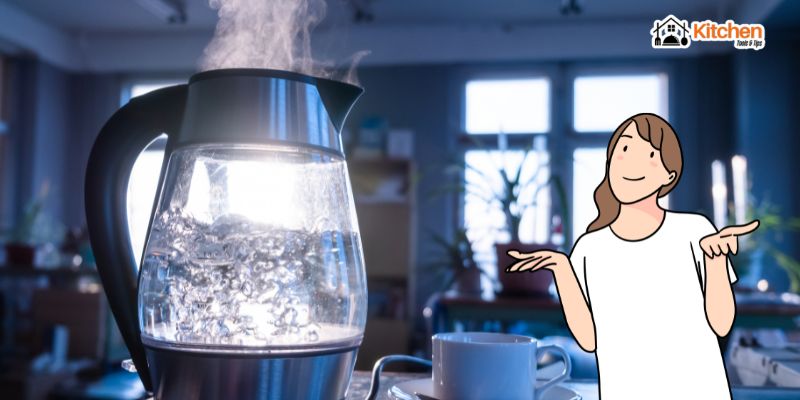
Why Your Kettle Takes Forever to Boil
You pour water into your kettle. You flip the switch. Then you wait. And wait. Your kettle seems to take forever.
This frustrating problem affects many households. Understanding why it happens helps you fix it fast.
How Electric Kettles Work
Electric kettles use a heating element. This element sits at the bottom of the kettle. When you turn it on, electricity flows through the element.
The element gets hot. Very hot. It transfers heat to the water. The water molecules move faster. They get hotter. Eventually, they reach 100 degrees Celsius (212 degrees Fahrenheit). That’s boiling point.
A typical kettle should boil one liter of water in 3 to 4 minutes. If yours takes longer, something is wrong.
Top Reasons Your Kettle Boils Slowly
Limescale Buildup: The Number One Culprit
Limescale is the white, chalky deposit inside your kettle. It comes from minerals in hard water. Calcium and magnesium are the main culprits.
When water heats up, these minerals separate. They stick to the heating element. They form a crusty layer.
This layer acts like insulation. It blocks heat transfer. The element gets hot, but the heat can’t reach the water efficiently. Your kettle works harder but boils slower.
Limescale also makes your kettle use more energy. It increases your electricity bill.
How to spot limescale: Look inside your kettle. You’ll see white or gray deposits. They feel rough to touch.
Low Wattage Means Slow Heating
Kettle power matters. A lot.
Standard electric kettles range from 1500 to 3000 watts. Higher wattage means faster boiling.
A 3000-watt kettle boils water almost twice as fast as a 1500-watt model. If you have a low-power kettle, it will naturally take longer.
Travel kettles and small models often have lower wattage. They’re convenient but slower.
You’re Boiling Too Much Water
More water takes more time. Simple physics.
Boiling a full kettle takes much longer than boiling one cup. If you only need one cup of tea, fill the kettle accordingly.
Many people fill the kettle to the top every time. This wastes time and energy.
Pro tip: Only boil what you need. Your kettle will work faster. You’ll save electricity too.
Cold Water Starts Slower
The starting temperature of your water matters.
Cold tap water in winter is much colder than summer tap water. The kettle needs to heat it from a lower starting point.
If you use filtered water from the fridge, it starts even colder. This adds significant time.
Old or Damaged Heating Elements
Kettles don’t last forever. The heating element degrades over time.
An old element may have corrosion. It might have internal damage. This reduces heating efficiency.
If your kettle is several years old and boiling slowly, the element might be dying.
Electrical Supply Issues
Your home’s electrical system affects kettle performance.
Low voltage reduces heating power. If many appliances run simultaneously, available power drops. Your kettle gets less electricity.
Extension cords and power strips can also reduce power flow. They add resistance. This slows heating.
Best practice: Plug your kettle directly into a wall outlet. Avoid power strips when possible.
Faulty Thermostat
Kettles have a thermostat. It detects when water boils. Then it switches the kettle off.
A faulty thermostat might switch off too early. Your water doesn’t reach full boiling temperature. You turn it on again. This makes the total time longer.
Quick Fixes to Speed Up Boiling
Descale Your Kettle Regularly
Descaling removes limescale buildup. Do it every month if you have hard water. Do it every three months with soft water.
White vinegar method:
- Fill the kettle halfway with equal parts water and white vinegar
- Let it sit for an hour
- Boil the mixture
- Pour it out
- Rinse thoroughly several times
- Boil fresh water and discard it
Citric acid method:
- Add two tablespoons of citric acid to a full kettle
- Fill with water
- Boil
- Let it sit for 20 minutes
- Empty and rinse well
Commercial descaling products also work well. Follow the package instructions.
Use the Right Amount of Water
Fill your kettle with only what you need. Most kettles have measurement marks inside.
If you need two cups of tea, fill to the two-cup line. No more.
This simple change makes a huge difference. You’ll save 30 seconds to 2 minutes per boil.
Check Your Kettle’s Wattage
Look at the label on your kettle’s base. It shows the wattage.
If it’s under 2000 watts, consider upgrading. A higher-wattage kettle is a worthwhile investment for daily tea drinkers.
Modern rapid-boil kettles offer 3000 watts. They’re significantly faster.
Start with Warm Water
Use warm tap water instead of cold water. This reduces heating time.
Just make sure your warm water comes from a safe source. Don’t use water from a hot water tank that might contain sediment.
Plug Directly into Wall Outlets
Remove extension cords and power strips from the equation.
Plug your kettle straight into a wall socket. This ensures maximum power delivery.
Replace Old Kettles
If your kettle is over 5 years old and boiling slowly, replacement might be the answer.
New kettles are more efficient. They have better heating elements. They boil faster and use less energy.
Signs You Need a New Kettle
Watch for these warning signs:
- Boiling takes twice as long as it used to
- Strange noises during heating
- Visible damage to the element
- Water tastes metallic or strange
- The kettle doesn’t switch off automatically
- Heavy limescale that won’t come off
Frequently Asked Questions
Why does my new kettle take so long to boil?
Check the wattage. Some new kettles have lower power ratings. Also, ensure you’re not overfilling it. Remove any protective stickers from inside the kettle that might insulate the element.
How long should a kettle take to boil?
A standard 3000-watt kettle should boil one liter of water in about 3 minutes. Lower-wattage kettles take 4 to 6 minutes.
Does limescale affect boiling time?
Yes, significantly. Heavy limescale can double boiling time. It blocks heat transfer from the element to the water.
Can I speed up my kettle without replacing it?
Yes. Descale it thoroughly, use less water, start with warm water, and plug directly into wall outlets. These changes can cut boiling time by 30-50%.
Is a slow-boiling kettle dangerous?
Not usually dangerous, but it wastes energy and time. Very old kettles with damaged elements might pose electrical risks. Replace them if you see sparking or burning smells.
How often should I descale my kettle?
Every 4-8 weeks in hard water areas. Every 2-3 months in soft water areas. If you see visible limescale, descale immediately.
Final Thoughts
A slow kettle frustrates your daily routine. But the fix is usually simple.
Limescale causes most slow-boiling problems. Regular descaling solves this. Using the right amount of water helps too.
Check your kettle’s wattage. Ensure proper electrical connection. These small changes make big differences.
If nothing works, your kettle might simply be old. Modern kettles boil faster and more efficiently.
Your morning tea shouldn’t require endless waiting. Take action today. Your kettle will thank you with faster boiling times.