
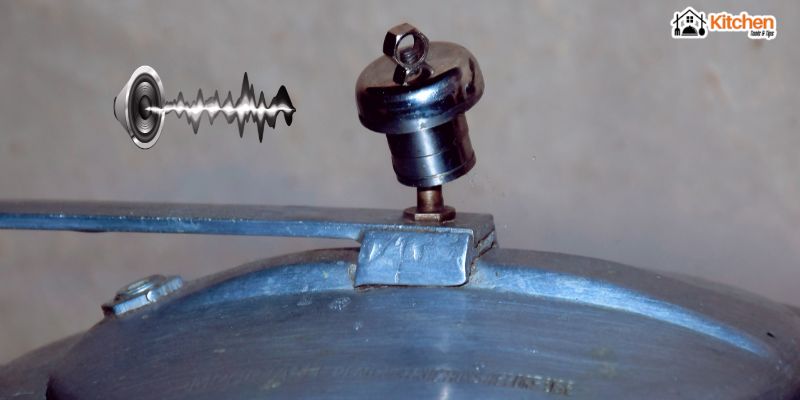
Understanding Your Pressure Cooker’s Whistle
Your pressure cooker whistles to release extra steam. This keeps the pressure safe inside. One or two whistles per minute is normal. But if your cooker whistles five times a minute or more, something is wrong.
The whistle sits on top of the vent pipe. Steam pushes it up. This makes the whistling sound. When everything works right, the whistle lifts gently. Excess whistling means too much steam is building up.
How Pressure Cookers Create Steam
Water heats up inside the sealed pot. It turns into steam. The steam cannot escape. Pressure builds. This cooks food faster than regular pots.
The gasket creates an airtight seal. The safety valve and whistle control pressure. When pressure gets too high, steam must escape. That’s when you hear the whistle.
Top Reasons Your Cooker Whistles Too Much
1. Heat Is Too High
This is the most common problem. High heat makes water boil fast. Too much steam forms quickly. The whistle works overtime to release it.
The fix: Turn down the heat after the first whistle. Use medium or low heat. The pressure will stay stable. Your cooker will whistle less.
2. You Filled It Too Full
Pressure cookers need space above the food. This space holds steam. Fill your cooker only two-thirds full. For foods that expand, fill it only half full.
Beans, rice, and lentils expand a lot. They need more room. Too much food blocks the vent. Steam cannot escape properly. The whistle goes crazy.
The fix: Remove some food. Follow the fill line inside your cooker. Leave proper space at the top.
3. The Vent Pipe Is Blocked
Food particles can clog the vent pipe. Starchy foods cause this often. Rice and dal are common culprits. A blocked vent traps steam. Pressure builds too fast.
The fix: Remove the whistle. Look through the vent pipe. Hold it up to light. You should see through it. Clean it with a small brush or toothpick. Wash it under running water. Make sure it’s completely clear.
4. The Gasket Is Damaged
The rubber gasket seals the lid. Over time, it gets worn out. Cracks appear. The seal becomes loose. Steam leaks from the sides. The cooker tries to compensate. It builds more pressure. The whistle works harder.
The fix: Check your gasket. Look for cracks or tears. Feel if it’s hard and brittle. A good gasket is soft and flexible. Replace damaged gaskets immediately. Most brands sell replacement gaskets.
5. Wrong Whistle Weight
Some pressure cookers use weighted whistles. Different weights control different pressures. Using the wrong weight causes problems.
The fix: Check your manual. Use the correct weight for your recipe. Heavier weights need more pressure to lift. They whistle less. Lighter weights lift easily. They whistle more.
6. Too Much Liquid
More water means more steam. Recipes need specific amounts of liquid. Too much creates excess steam. The whistle releases it constantly.
The fix: Follow recipe measurements exactly. Most dishes need one to two cups of liquid. Don’t add extra “just in case.” The cooker needs less water than regular cooking.
7. Poor Lid Placement
The lid must sit perfectly on the cooker. Misaligned lids don’t seal right. Steam escapes. Pressure drops. The cooker builds more pressure. The cycle repeats.
The fix: Remove the lid. Clean the rim. Wipe away food bits. Place the lid carefully. Make sure it locks completely. You should hear a click.
Quick Solutions That Work
For immediate relief:
- Lower your heat right now
- Check if the vent is clear
- Make sure the lid is locked properly
- Confirm you’re using the right whistle weight
For long-term fixes:
- Replace old gaskets every year
- Clean the vent pipe after each use
- Measure liquids carefully
- Never overfill your cooker
Safety Tips You Must Know
Stop cooking immediately if:
- Steam leaks from the sides
- The whistle spins wildly
- You smell burning
- The cooker makes strange sounds
- Steam sprays out forcefully
Turn off the heat. Let the cooker cool naturally. Never force open a hot cooker. Wait until all pressure releases.
Maintenance Prevents Problems
Clean your pressure cooker after every use. Wash the gasket with mild soap. Dry all parts completely. Store the lid upside down. This protects the gasket.
Check the vent pipe monthly. Look through it. Make sure light passes through. Replace gaskets yearly. They wear out with regular use.
Oil the gasket lightly. This keeps it soft. A drop of cooking oil works fine. Wipe off excess oil.
Frequently Asked Questions
How many whistles are normal? One to three whistles per minute is normal. This depends on your recipe. Different foods need different cooking times.
Can I use my cooker if it whistles too much? No. Fix the problem first. Excessive whistling means something is wrong. It could be dangerous.
How often should I replace the gasket? Replace it every 12 months. Replace it sooner if you see cracks. A damaged gasket is unsafe.
Why does my cooker whistle immediately? Your heat is too high. The pressure builds too fast. Lower the flame. Wait for gradual pressure buildup.
Is it normal for steam to come from the sides? No. This means the gasket is damaged. The seal is broken. Replace the gasket immediately.
Can I stop the whistling completely? No. Some whistling is necessary. It releases excess pressure. This keeps cooking safe.
Final Thoughts
Most whistling problems are easy to fix. Lower your heat. Check your gasket. Clean the vent pipe. Follow fill guidelines. These simple steps solve most issues.
Your pressure cooker is a safe appliance. It has multiple safety features. The whistle is one of them. Some noise is good. It means your cooker is working properly.
Pay attention to changes. A cooker that suddenly whistles more needs checking. Regular maintenance prevents most problems. Clean parts last longer. They work better.
Cook with confidence. Your pressure cooker saves time and energy. With proper care, it will serve you for years. Happy cooking!