
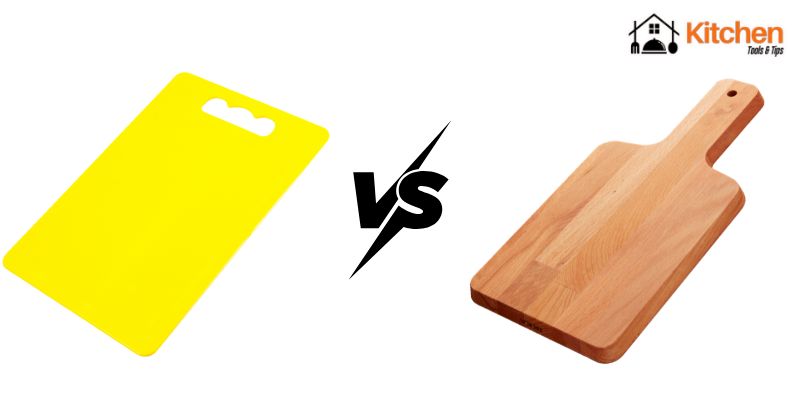
Choosing between a wood or plastic cutting board affects your cooking experience, knife sharpness, and kitchen safety. Both options have loyal fans, but which one truly works best?
This guide breaks down the real differences to help you make the right choice.
What Are Wood Cutting Boards?
Wood cutting boards are made from natural hardwoods like maple, walnut, cherry, or bamboo. These boards have been kitchen staples for centuries.
Wood boards come in two main styles:
- Edge grain: Wood pieces laid flat
- End grain: Wood fibers stand upright (self-healing surface)
The natural material gives wood boards unique antibacterial properties that many people don’t know about.
What Are Plastic Cutting Boards?
Plastic cutting boards are made from polyethylene or polypropylene materials. They became popular in the 1970s and 1980s.
You’ll find plastic boards in different types:
- High-density polyethylene (HDPE)
- Polypropylene
- Flexible thin mats
These boards are lightweight, affordable, and come in many colors. Many restaurants use color-coded plastic boards to prevent cross-contamination.
Wood vs Plastic: Safety and Bacteria
This is where things get surprising.
Wood Boards and Bacteria
Research from the University of California found that wood boards naturally pull bacteria below the surface where it dies. The wood’s natural properties work against harmful bacteria like E. coli and Salmonella.
Wooden surfaces don’t allow bacteria to multiply easily when properly maintained.
Plastic Boards and Bacteria
Plastic boards start out easy to sanitize. However, knife cuts create deep grooves over time. Bacteria hide in these grooves and become hard to remove, even with hot water and soap.
Studies show that used plastic boards with knife scars can harbor more bacteria than wooden boards.
Winner: Wood boards have the edge for long-term safety.
Durability and Longevity
Wood Cutting Boards
A quality wood board lasts 10 to 20 years with proper care. End-grain boards can last even longer because the wood fibers close up after knife cuts.
You can sand down and refinish wood boards when they get worn.
Plastic Cutting Boards
Plastic boards last 1 to 5 years depending on use. Once they develop deep knife grooves, you need to replace them. You cannot refinish plastic boards.
Thin plastic mats wear out even faster.
Winner: Wood boards last much longer and offer better value over time.
Knife Care and Sharpness
Your cutting board affects how long your knives stay sharp.
Wood’s Impact on Knives
Wood is softer than steel but firm enough for cutting. Your knife blade sinks slightly into the wood, which protects the edge. This means your knives stay sharper longer.
End-grain boards are especially gentle on knife edges.
Plastic’s Impact on Knives
Plastic is harder than wood. This harder surface dulls knife blades faster. You’ll need to sharpen your knives more often if you only use plastic boards.
Winner: Wood boards keep your knives sharper.
Maintenance and Cleaning
Caring for Wood Boards
Wood boards need regular oiling with food-safe mineral oil or board cream. This prevents cracking and keeps the wood from absorbing too much moisture.
Cleaning steps:
- Wash with soap and warm water
- Rinse thoroughly
- Stand upright to air dry
- Oil monthly or when the board looks dry
Never put wood boards in the dishwasher.
Caring for Plastic Boards
Plastic boards are low maintenance. You can:
- Wash with soap and hot water
- Put them in the dishwasher
- Use bleach solution for deep cleaning
- Replace when heavily scarred
Winner: Plastic boards win for convenience, but wood boards aren’t difficult to maintain.
Cost Comparison
Wood Board Prices
Quality wood cutting boards cost $30 to $200 depending on size and wood type. End-grain boards are more expensive but last longer.
Bamboo boards are cheaper, usually $15 to $50.
Plastic Board Prices
Plastic boards cost $5 to $30. You can buy sets with multiple boards for around $20 to $40.
However, you’ll replace plastic boards more often.
Winner: Plastic boards cost less upfront, but wood boards offer better long-term value.
Environmental Impact
Wood Boards
Wood is a renewable resource, especially when sourced from sustainable forests. Wood boards are biodegradable and compost naturally at the end of their life.
Look for FSC-certified wood boards for eco-friendly options.
Plastic Boards
Plastic boards are made from petroleum products. They don’t biodegrade and add to landfill waste. Some plastic boards can be recycled, but many end up as trash.
Winner: Wood boards are significantly better for the environment.
Which Board Should You Choose?
The best choice depends on your needs.
Choose Wood If You Want:
- Long-lasting quality
- Knife-friendly surface
- Natural antibacterial properties
- Eco-friendly option
- Beautiful kitchen aesthetic
Choose Plastic If You Want:
- Budget-friendly option
- Dishwasher-safe convenience
- Color-coded boards for food safety
- Lightweight and portable boards
The Smart Solution: Use both. Keep a quality wood board for vegetables, bread, and general prep. Use plastic boards for raw meat and fish, then sanitize them in the dishwasher.
Conclusion
Wood cutting boards win on durability, knife care, safety, and environmental impact. Plastic boards win on price and convenience.
For most home cooks, investing in one quality wood board plus a few plastic boards for raw meat creates the ideal setup. This combination gives you the benefits of both materials.
Your cutting board choice matters more than you think. It affects your knives, your food safety, and how long the board will last.
Choose wisely, and your cutting board will serve you well for years to come.